Scaling & Growth
Reach Readers in Every Language: Translating Your Book
October 8, 2026 · 760 words
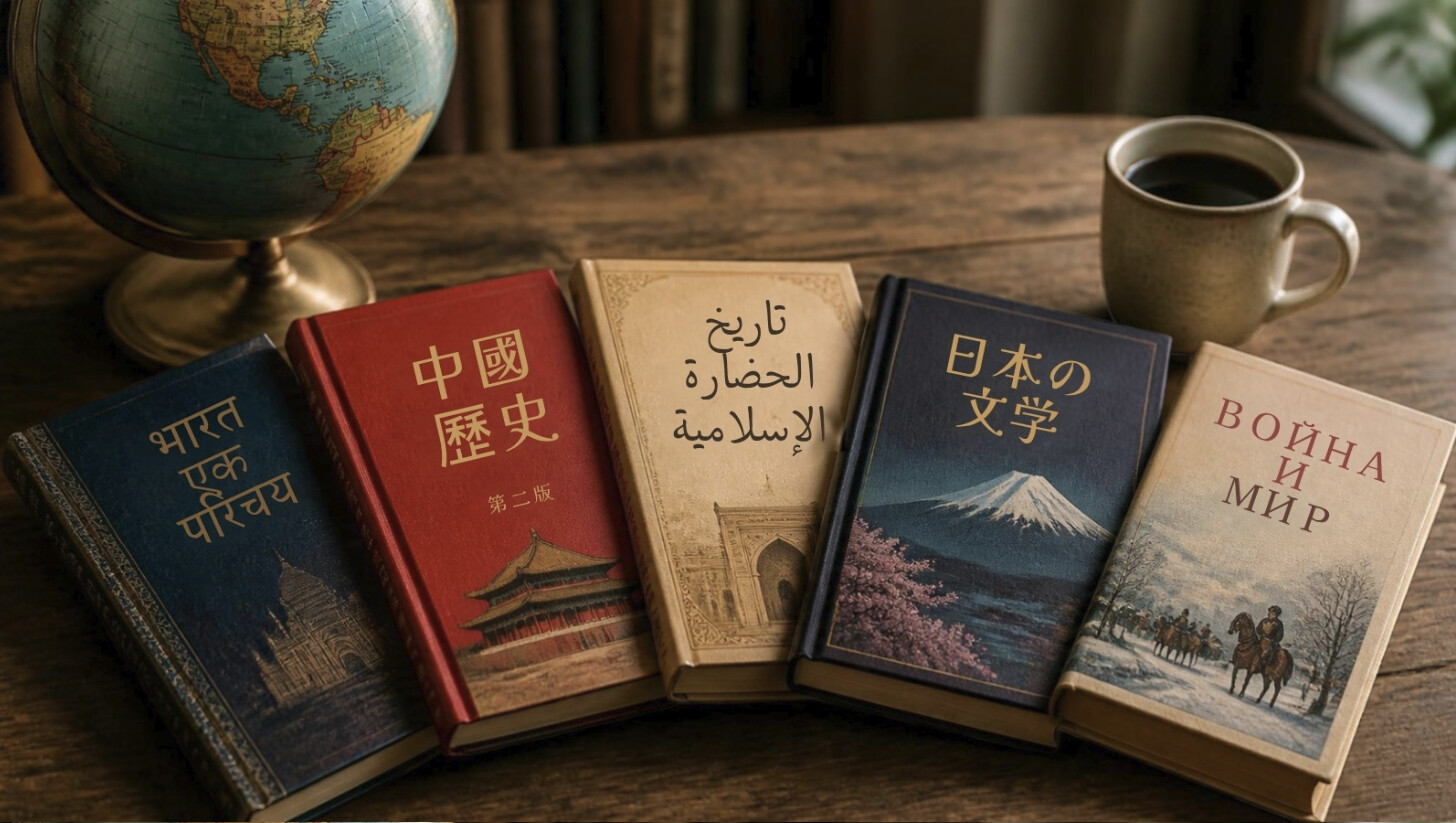
Quick Summary: A book published only in English reaches a fraction of its potential global audience. AI-assisted translation, paired with a human editorial pass for tone and idiom, can bring a manuscript to new markets in weeks rather than the year or more traditional translation requires. Valor & Ventures Media manages the full process, from language selection to a market-ready edition.
English is the first language of a minority of the world's readers. If your book exists only in English, you are reaching a fraction of the people who could use what you wrote, especially if your audience includes international clients, a global professional network, or communities outside the US. Translating a book used to mean a year-long process and a cost that only made sense for established bestsellers. That calculation has changed.
This article covers how a modern translation project actually works, what separates a usable translation from a good one, and how to decide which languages are worth the investment.
Table of Contents
- Why Translation Extends More Than Your Sales
- How AI-Assisted Translation Actually Works
- Choosing Which Languages Are Worth It
- Frequently Asked Questions
- Your Book, in Every Market That Matters
Why Translation Extends More Than Your Sales
A translated edition does more than add readers in another country. For a consultant or coach, it opens doors to international speaking invitations and partnerships. For a business leader, it signals credibility in markets where your clients or competitors already operate. And for a veteran-owned or mission-driven brand, it widens the circle of people your story can reach.
The return is not only sales. It is access to rooms, relationships, and opportunities a single-language book cannot reach on its own.
How AI-Assisted Translation Actually Works
A raw machine translation reads like a machine wrote it, which is why translation on its own is not the product; the editorial pass is. The process starts with an AI-assisted first-pass translation, which gets the content and structure right quickly. From there, a human editor fluent in the target language reviews every chapter for tone, idiom, and the small phrasing choices that make a book sound like it was written for that audience, not just converted into it.
That combination is what separates a translation readers trust from one they can tell was automated. It also keeps the cost and timeline far below traditional literary translation, which typically runs months per language.
Choosing Which Languages Are Worth It
Not every language deserves the same investment. Start with where your actual audience already is: client geography, conference invitations, LinkedIn connections, or a specific diaspora community tied to your story. Spanish and Portuguese open large markets across Latin America. German and French remain strong for business and leadership titles in Europe. A targeted language choice, backed by a real audience, outperforms a scattershot approach to five languages nobody asked for.
Ready to put your book in front of readers worldwide? Start your book build with Valor & Ventures Media.
Frequently Asked Questions
Q1: Is AI translation alone good enough to publish?
No. AI gets the first draft right quickly, but a human editorial pass for tone, idiom, and cultural fit is what makes a translation read naturally rather than sounding machine-generated.
Q2: How long does translating a book into one language take?
With an AI-assisted first pass and human review, most single-language translations are ready in 3 to 6 weeks, compared to several months for fully manual translation.
Q3: Which languages should I translate into first?
Start with the languages your actual audience already speaks: client geography, conference markets, or professional networks you're already part of.
Q4: Does a translated book need its own cover design?
Often yes. Title length and typography vary by language, and some markets respond better to a locally adapted cover treatment.
Q5: Can I sell a translated edition on the same platforms as the English version?
Yes. Most major retailers and library platforms support multiple language editions under the same title, listed separately by language.
Q6: Is translation worth it for a niche business book?
If your audience has any international component, yes. A single well-chosen language can open a market with far less competition than the English-language original faces.
Your Book, in Every Market That Matters
Translation is no longer a luxury reserved for bestsellers. With the right process, a single manuscript can reach readers, clients, and opportunities across language barriers in weeks, not years, without losing the voice that made the original worth reading. Choose your languages deliberately, insist on human review, and your book works harder in every market it reaches.